
In a world overflowing with beauty tips and tricks, separating fact from fiction can feel like navigating a maze blindfolded. From the age-old belief that chocolate causes acne to the notion that sunscreen is only for beach days, beauty myths are as persistent as that stubborn mascara smudge. It’s time to shine a light on these misconceptions and reveal the truths hidden beneath layers of misinformation.
Common Beauty Myths
Numerous beauty myths persist, leading to confusion about effective beauty practices. Here are some prevalent misconceptions that require clarification.
Myth 1: You Need to Drink Eight Glasses of Water
The belief that everyone must drink eight glasses of water daily isn’t universally true. Hydration needs vary based on age, gender, activity level, and climate. While staying hydrated is essential for skin health, individuals can obtain water from various sources, including fruits, vegetables, and other beverages. Experts suggest listening to the body’s thirst signals instead of adhering to a specific number. Research shows that hydration contributes to skin elasticity, but there’s no one-size-fits-all guideline for water intake.
Myth 2: Expensive Products Are Always Better
Many people think that high-priced beauty products guarantee superior quality. However, the effectiveness of a product doesn’t solely depend on its cost. Numerous ingredients, such as retinol and hyaluronic acid, can be found in both affordable and luxury items. Budget-friendly brands often offer impressive formulations that rival pricier competitors. Consumer reviews and ingredient transparency often provide better insights into a product’s benefits than its price tag. Ultimately, effectiveness varies from person to person, highlighting the importance of individual skin needs over cost.
Skincare Myths
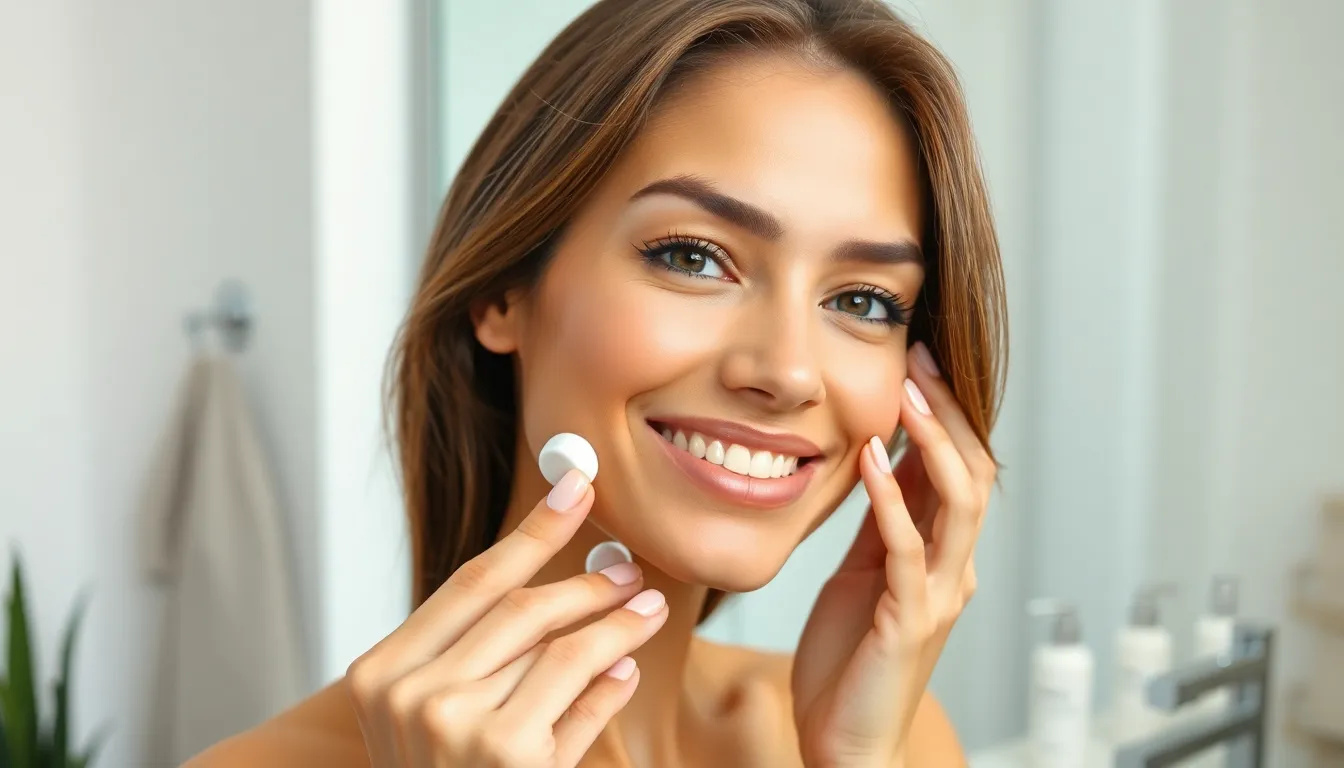
Common misconceptions about skincare can lead to ineffective routines. Clarifying these myths helps optimize beauty regimens.
Myth 3: Oily Skin Doesn’t Need Moisturizer
People often believe oily skin requires no moisturizer. This misconception ignores the fact that even oily skin needs hydration. Using a lightweight, oil-free moisturizer helps maintain skin balance. Skincare experts indicate that neglecting hydration can worsen oiliness and lead to breakouts. Moisturizers play a vital role in sealing in moisture and preventing skin from overproducing oil.
Myth 4: Natural Products Are Always Safe
Some assume that natural products lack any adverse effects. This perspective overlooks the potential for allergic reactions or skin irritation caused by natural ingredients. For instance, essential oils can be potent, leading to sensitivity in some individuals. Just because a product is labeled as natural doesn’t guarantee safety for all skin types. It’s crucial to patch-test any new product, whether natural or synthetic, to determine skin compatibility.
Makeup Myths
Makeup myths persist in popular culture, often leading to misunderstandings about cosmetics and their effects on skin health. Debunking these myths clarifies the impact of makeup on skin.
Myth 5: Makeup Causes Acne
Makeup does not automatically cause acne. The roots of breakouts often lie in other factors like hormonal changes, diet, and skin hygiene. Many makeup products are non-comedogenic, meaning they don’t clog pores. Additionally, proper removal at the end of the day minimizes the risk of breakouts. Choosing the right formulas, such as oil-free or mineral makeup, can benefit those prone to acne. Understanding one’s skin type plays a crucial role in keeping skin clear.
Myth 6: You Should Match Foundation to Your Wrist
Matching foundation to the wrist doesn’t guarantee a perfect shade match. Skin tone can vary significantly across the body, especially on the face. Instead, testing foundation on the jawline offers a truer reflection of how the shade complements natural skin color. Lighting also affects how a foundation appears, so checking it in natural light is vital. Skin undertones, whether warm, cool, or neutral, ultimately guide the selection process. Engaging with different shades enables finding the ideal match for a seamless look.
Hair Care Myths
Many hair care myths persist, leading to confusion in hair maintenance. Addressing these misconceptions clarifies effective practices.
Myth 7: Cutting Hair Makes It Grow Faster
Cutting hair doesn’t influence its growth rate. Hair grows from the roots, not the ends; trimming has no impact on how quickly it grows. Regular trims only remove split ends and promote healthier-looking hair. Healthy hair often appears fuller and shinier, enhancing overall aesthetics. Approximately half an inch of growth occurs each month, irrespective of trimming practices. Prioritizing a balanced diet and proper care supports optimal growth.
Myth 8: Shampooing Every Day Is Necessary
Daily shampooing isn’t essential for maintaining clean hair. Frequent washing can strip natural oils, leading to dryness and irritation. Hair type and lifestyle significantly determine washing frequency. People with oily hair may require more shampooing than those with dry or curly hair. On average, washing two to three times per week is sufficient for most individuals. Concentrating on gentle shampoos and proper conditioning can maintain healthy hair without over-cleansing.
Beauty myths can often mislead individuals on their journey to achieving healthy skin and hair. By debunking these misconceptions, people can make informed choices that cater to their unique needs. Understanding that hydration varies from person to person and that price doesn’t always equate to quality empowers consumers to explore products that truly work for them.
Moreover, recognizing the importance of proper skincare routines and the role of makeup in skin health can foster a more positive relationship with beauty. Embracing accurate information allows for better self-care practices and a more confident approach to beauty routines. By staying informed and questioning common myths, individuals can enhance their beauty experience and prioritize what really matters for their skin and hair.


