
In a world where delivery delays can feel like waiting for a pot of water to boil, AI-driven logistics optimization swoops in like a superhero in a cape. Imagine a system so smart it knows the best routes, predicts traffic jams, and even suggests the perfect time to avoid that coffee spill disaster in the back of the truck. It’s not just a dream; it’s the future of logistics.
As businesses scramble to keep up with demand, the need for efficiency has never been greater. With AI at the helm, logistics can transform from a chaotic game of Tetris into a well-orchestrated ballet. Say goodbye to guesswork and hello to data-driven decisions that save time and money. Buckle up as we explore how this high-tech wizardry is reshaping the logistics landscape, making it faster, smarter, and maybe even a little bit fun.
Overview of AI-Driven Logistics Optimization
AI-driven logistics optimization utilizes advanced algorithms to enhance supply chain efficiency. Businesses leverage machine learning models to analyze vast amounts of data, enabling informed decision-making. Systems capable of predicting market demands reduce excess inventory, cutting down on storage costs.
Route optimization algorithms minimize travel time by calculating the most efficient paths. These algorithms consider real-time traffic data and road conditions. Consequently, delivery times improve while fuel consumption decreases.
Demand forecasting tools use historical sales data, market trends, and consumer behavior. They enable organizations to anticipate customer needs accurately. This anticipation leads to better resource allocation, further increasing operational efficiency.
Companies adopting AI-driven solutions experience increased transparency and responsiveness. Improved visibility into logistics operations allows for rapid adjustments to unforeseen challenges. Enhanced tracking features provide real-time updates for inventory and shipments, boosting customer satisfaction.
Integrating AI with Internet of Things (IoT) devices expands capabilities further. IoT sensors collect real-time data from vehicles and storage facilities. This data informs predictive maintenance, reducing downtime and ensuring smooth operations.
Cost reduction emerges as a significant benefit of AI-driven logistics optimization. Automating processes such as order processing and inventory management streamlines operations. Businesses see a marked decrease in labor costs and human error.
Ultimately, AI-driven logistics optimization reshapes industry standards. Companies that leverage these technologies gain a competitive edge in an increasingly demanding market. As the landscape continues to evolve, organizations embracing AI solutions will likely lead the way in logistics efficiency.
Benefits of AI in Logistics
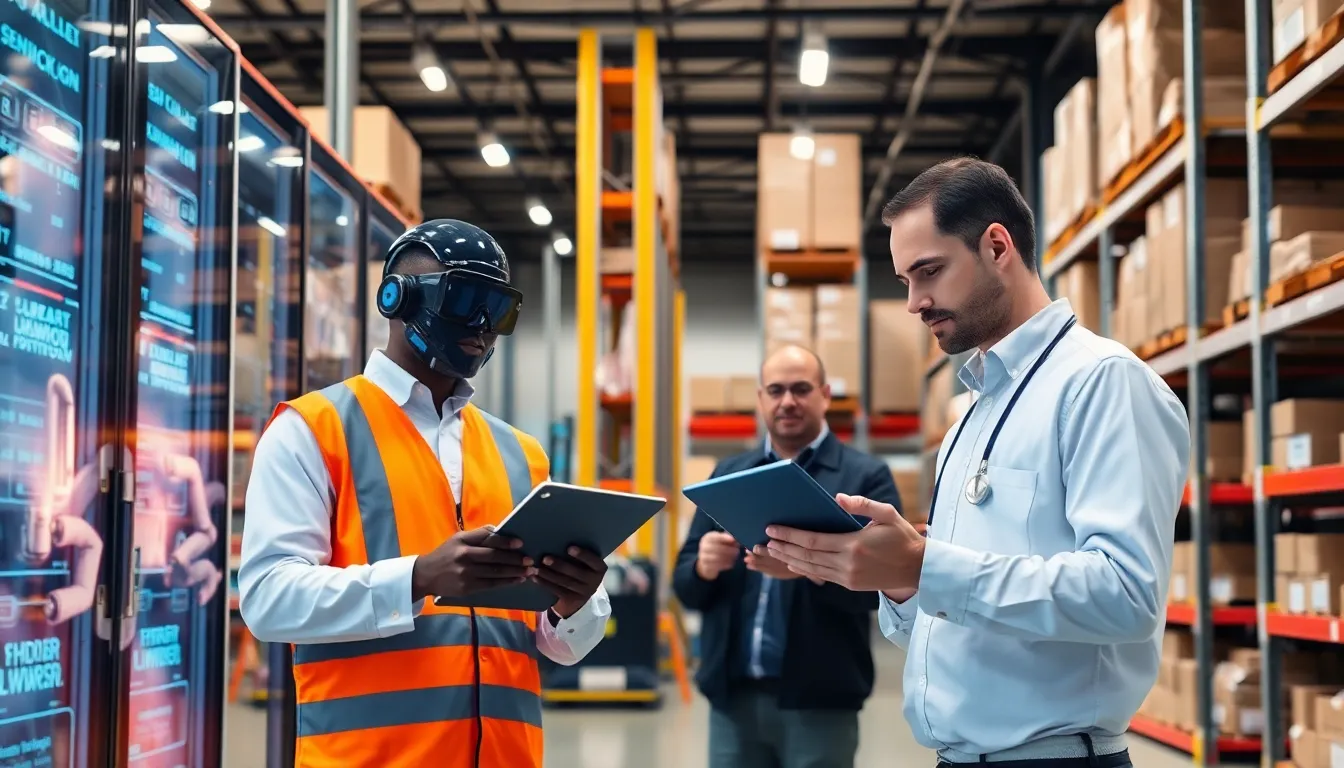
AI significantly enhances logistics operations by boosting efficiency and reducing costs. Organizations harness these benefits to streamline processes and improve service delivery.
Enhanced Efficiency
Automated systems optimize supply chains through precise route selection based on real-time traffic conditions. AI algorithms analyze vast datasets to ensure swift decision-making in inventory management. They allow businesses to adapt quickly to shifting market demands. Additionally, predictive analytics enable organizations to foresee logistical challenges before they arise. Improved scheduling and resource allocation further drive operational efficiencies. A study by McKinsey reported that AI integration can cut logistics costs by up to 10-15%, ultimately supporting companies in achieving faster delivery times and higher customer satisfaction.
Cost Reduction
Cost savings present a major advantage of AI in logistics. Streamlined processes minimize labor expenses by automating routine tasks like order processing and tracking. Automated inventory systems help reduce excess stock, which directly cuts storage costs. Furthermore, AI analytics identify wasteful spending, allowing for smarter budget allocations. Organizations leveraging AI-driven solutions experience significant reductions in human error, leading to fewer costly mistakes. According to a report from Deloitte, implementing AI can lead to a reduction of logistics costs by nearly 20%. Embracing these solutions positions companies to thrive in a competitive landscape.
Key Technologies in AI-Driven Logistics
AI-driven logistics optimization relies on advanced technologies that enhance efficiency and streamline operations. Key technologies in this field include machine learning algorithms and predictive analytics.
Machine Learning Algorithms
Machine learning algorithms analyze vast datasets to improve logistics operations. These algorithms identify patterns that enable businesses to make data-driven decisions. By predicting demand fluctuations, they reduce excess inventory and minimize storage costs. Algorithms evaluate factors like traffic patterns, weather conditions, and delivery times to determine the most efficient routes. Companies implementing these algorithms experience enhanced route optimization, leading to quicker delivery times and reduced fuel usage. The impact of machine learning extends beyond route optimization; it also supports automated inventory management, ensuring alignment with market demand.
Predictive Analytics
Predictive analytics play a crucial role in enhancing logistical effectiveness. Historical sales data and market trends form the basis for accurate demand forecasts. Businesses utilizing predictive analytics allocate resources more efficiently, adapting to anticipated customer needs. Anticipating logistical challenges allows companies to implement proactive measures, enhancing overall operational efficiency. Improved scheduling processes result from insights gained through predictive models. Moreover, organizations experience increased transparency into their logistics operations, enabling swift responses to unexpected developments. Enhanced decision-making capabilities from predictive analytics help companies maintain a competitive edge in the logistics sector.
Case Studies of Successful Implementations
Numerous industries showcase successful applications of AI-driven logistics optimization, highlighting its transformative potential.
Retail Sector
In the retail sector, companies leverage AI algorithms to refine their supply chains. These advanced systems analyze customer purchasing patterns, enabling businesses to anticipate demand more accurately. A leading retailer used predictive analytics to optimize inventory levels, significantly reducing stockouts by 30%. Additionally, AI-driven route optimization enhanced delivery efficiency, resulting in 20% faster order fulfillment. Improved data visibility led to better decision-making, supporting a 15% increase in customer satisfaction.
Manufacturing Sector
Manufacturers implement AI solutions to streamline production and distribution processes. AI-driven analytics help identify inefficiencies in the supply chain, leading to a 25% reduction in lead times. A major manufacturer adopted machine learning to optimize their logistics operations, achieving a 10% decrease in transportation costs. Sensors integrated with their systems provide real-time insights, facilitating proactive maintenance and minimizing downtime. By embracing these technologies, manufacturers enhance responsiveness to market demands, ultimately improving overall operational efficiency.
Challenges and Considerations
AI-driven logistics optimization faces several challenges. These challenges must be addressed to fully harness its potential benefits.
Data Privacy Issues
Data privacy remains a significant concern for companies utilizing AI in logistics. Organizations process vast amounts of sensitive data, including customer information and shipment details. Regulations such as GDPR impose strict guidelines on data handling, demanding compliance and transparency. Failure to adhere to these regulations can lead to hefty fines, damaging reputation. Moreover, companies must invest in robust security measures to protect against data breaches. Ensuring data integrity and safeguarding customer trust requires ongoing effort and vigilance.
Integration with Existing Systems
Integrating AI solutions with existing logistics systems poses another challenge. Many companies rely on legacy systems that may not seamlessly support new technologies. Transitioning to AI-driven platforms often involves significant resource allocation and time investment. Successful integration requires careful planning and testing to minimize disruptions in operations. Stakeholders must ensure that new tools complement existing workflows rather than complicate them. Collaboration between IT and logistics teams enhances this integration, enabling smoother adoption of AI innovations.
Future Trends in AI-Driven Logistics Optimization
AI-driven logistics optimization is set to evolve further with several emerging trends. One significant trend involves the increasing adoption of autonomous vehicles for transportation. These vehicles, equipped with advanced AI algorithms, enhance delivery efficiency by reducing human error and optimizing routes in real time.
Another trend is the enhanced use of blockchain technology. Blockchain improves transparency in logistics by securely tracking shipments at every stage of the supply chain. This technology not only builds trust but also streamlines dispute resolution processes by providing an immutable record of transactions.
Incorporation of AI and big data analytics will play a crucial role in demand forecasting. Organizations focusing on predictive analytics can better anticipate customer requirements. This results in improved inventory management and reduced instances of stockouts.
Real-time data integration through IoT devices will continue to shape logistics operations. These devices provide instant insights into vehicle conditions and environmental factors. Consequently, companies can perform proactive maintenance using this data, minimizing downtime and enhancing overall efficiency.
Sustainability initiatives are gaining traction in logistics optimization strategies. Organizations are increasingly leveraging AI to develop eco-friendly delivery options. Improved route planning with AI can lead to reduced carbon emissions and optimized fuel consumption.
Lastly, personalization in logistics will emerge as a priority in the coming years. Businesses that utilize AI’s capabilities can tailor logistics services to meet individual customer needs. Providing personalized customer experiences will become essential for maintaining a competitive edge.
As these trends unfold, companies that embrace these technological advancements stand to gain significant advantages in efficiency, cost-effectiveness, and customer satisfaction.
AI-driven logistics optimization is revolutionizing the delivery landscape. By harnessing advanced algorithms and machine learning, businesses are achieving unprecedented levels of efficiency and cost savings. The ability to anticipate demand and optimize routes not only enhances operational performance but also elevates customer satisfaction.
As organizations navigate the complexities of logistics, those that adopt AI technologies will likely emerge as leaders in the industry. Future advancements promise even greater innovations, making it essential for companies to stay ahead of the curve. Embracing these changes will ensure they remain competitive in an ever-evolving market.


